Since 2020, Ontario's Food Premises Regulation (O. Reg. 493/17) makes it easier to run a home-based food business selling low-risk foods — at markets, from home, and online for pickup or delivery. Your home kitchen is a food premises, so you tell your local public health unit before you start and they can inspect your food areas. Low-risk-only operators skip some rules, like the food handler certificate and a separate handwashing sink.
Province guide · Ontario
How to sell homemade food in Ontario
Home-based business allowed for low-risk foods
At a glance
- ✓ Farmers' markets Yes
- ✓ Sell from your home Yes
- ✓ Online pickup / delivery Yes
- ! Before you start Notify your local public health unit
- ! Kitchen inspection Yes — food prep and storage areas
- ✓ Food handler certificate Not required for low-risk only
Which path are you on?
Answer two questions to see which rules apply to you.
1Does your food need the fridge or freezer to stay safe, or contain meat, poultry, fish, or a cream / custard / cheesecake filling?
Yes
Not under the low-risk exemptionHigher-risk foods need full Food Premises Regulation compliance — usually a commercial kitchen. Talk to your public health unit.
No — it's shelf-stable
Low-risk foodKeep going to question 2 ↓
2Have you told your local public health unit?
Yes
You can sellMarkets, from home, and online pickup or delivery — label everything and keep your kitchen inspection-ready.
Not yet
Do that firstContact your health unit with what you'll make and where. They'll confirm your foods are low risk and may schedule an inspection.
What you can (and can't) make at home
Usually allowed (low risk)
- Most breads and buns (no meat or cream fillings)
- Baked goods without custard: cookies, brownies, muffins, fruit pies
- Cakes with icing that doesn't need refrigeration
- Chocolate, fudge, toffee, hard candy
- Granola, trail mix, nuts, seeds
- Coffee beans, tea leaves
- Jams, jellies, vinegar pickles (pH ≤ 4.6)
- Egg-free dry noodles, dry mixes, cereals
- Dried fruit, herbs and spices
Not from a home kitchen
- Anything that needs refrigeration (cream pastries, quiche, meals with meat, dairy desserts)
- Meat, poultry and seafood
- Raw milk products
- Canned goods that don't meet pH / water activity rules
Step by step
-
1
Stick to low-risk foods
Low risk means it doesn't need time or temperature control for safety. Check the lists below.
-
2
Notify your public health unit
Before you open, tell them what you'll make and where your kitchen is. They'll confirm your foods are low risk and explain local expectations, and may schedule an inspection of your prep and storage areas (not your whole home). Find your health unit.
-
3
Meet core food safety rules
Safe drinking water, clean equipment in good repair, smooth sanitizable surfaces, covered storage, raw kept away from ready-to-eat, and good personal hygiene. A food safety course isn't required for low-risk only, but it's a smart move.
-
4
Label every package
Ontario doesn't prescribe a specific home-kitchen statement, but labels should meet general labelling expectations. See the checklist below and ask your health unit and market manager for preferred wording.
-
5
Licences, taxes, insurance
Check your city's home-based business licence and zoning (customer pickups, signage), register a trade name if you use one, register for GST past the small-supplier threshold, and consider product liability insurance.
Registration checklist for Ontario
The registrations a home food business may need here, what they cost, and where to do them. New to these terms? See registrations explained.
-
Business structure & nameProvincialSole proprietors using any name other than their own full name must register it through the Ontario Business Registry. Registration is valid for 5 years. Corporations incorporate there too.
-
Health / food safety approvalProvincialNo provincial permit for low-risk home-based businesses, but you must notify your local public health unit before you start, and they can inspect your food prep and storage areas.
-
City business licence & zoningMunicipalCheck your city's home-based business licence and zoning rules (customer pickups, signage).
-
Business Number & GST/HSTFederal (CRA)Register with the CRA once taxable sales pass $30,000 over four consecutive calendar quarters, within 29 days of crossing. You can register sooner voluntarily. Basic groceries are zero-rated, but snacks, candy and single-serve baked goods are taxable.
-
Provincial sales taxProvincialNo separate provincial registration. Ontario's sales tax is harmonized: once you register for GST/HST with the CRA you charge 13% HST on taxable sales.
-
Payroll & workplace insuranceFederal + provincialOpen a CRA payroll account, and register with WSIB Ontario: most employers must have workplace injury coverage.
Who needs what
Selling low-risk baking at farmers' markets
- Notify your public health unit
- Business name registration if it isn't your own name ($60)
- City licence if your city requires one
Home pickup and online delivery
- Same as above; expect a possible inspection of your prep areas
- Check zoning for customer pickups
Hiring a helper
- CRA payroll account
- WSIB registration
What goes on your label
1Lemon Poppyseed Loaf
2Ingredients: flour, sugar, butter, eggs, lemon, poppy seeds, baking powder, salt
3Contains: wheat, eggs, milk
4Net 450 g
5Maple Lane Bakes · 12 Maple Lane, Yourtown
6Made 2026-10-01 · Best before 2026-10-08
7Store in a cool, dry place
- Common name of the food
- Ingredients, heaviest first
- Allergens (a “Contains:” line)
- Net quantity (metric)
- Business name and address (or city)
- Best-before or preparation date
- Storage instructions if relevant
The home-kitchen statement isn't mandated province-wide in Ontario, but many health units and markets like to see it.
Tools for Ontario sellers
Get set up faster
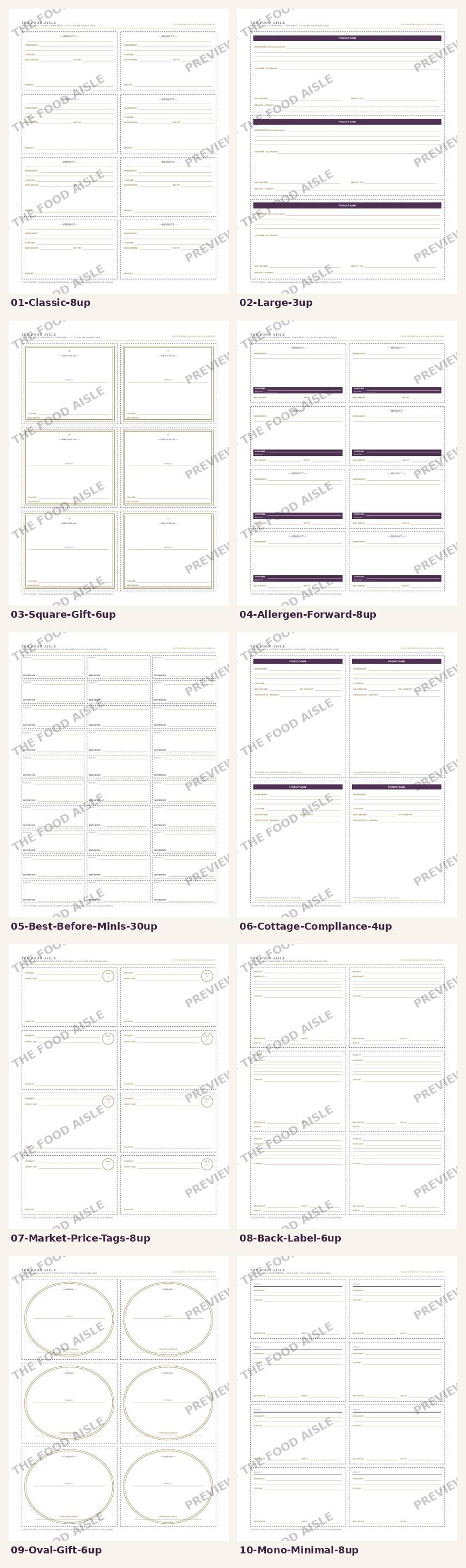 Product Label Templates
Labels with every element Ontario health units look for.
See it in the shop →
Product Label Templates
Labels with every element Ontario health units look for.
See it in the shop →
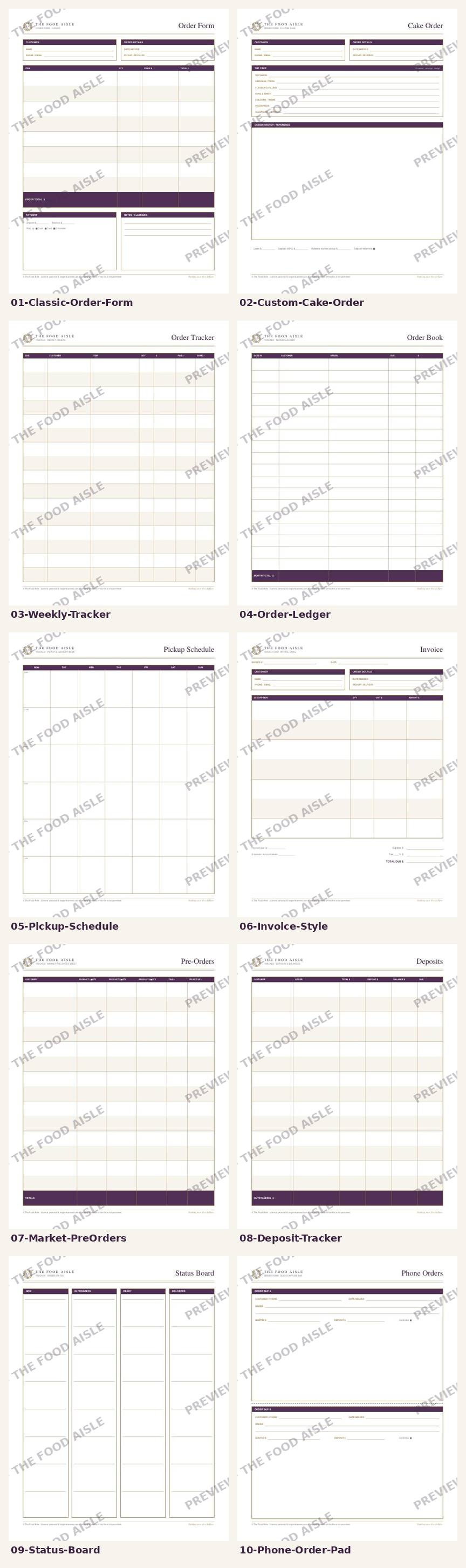 Order Forms & Order Tracker
Keep home pickup and online delivery orders organized.
See it in the shop →
Order Forms & Order Tracker
Keep home pickup and online delivery orders organized.
See it in the shop →
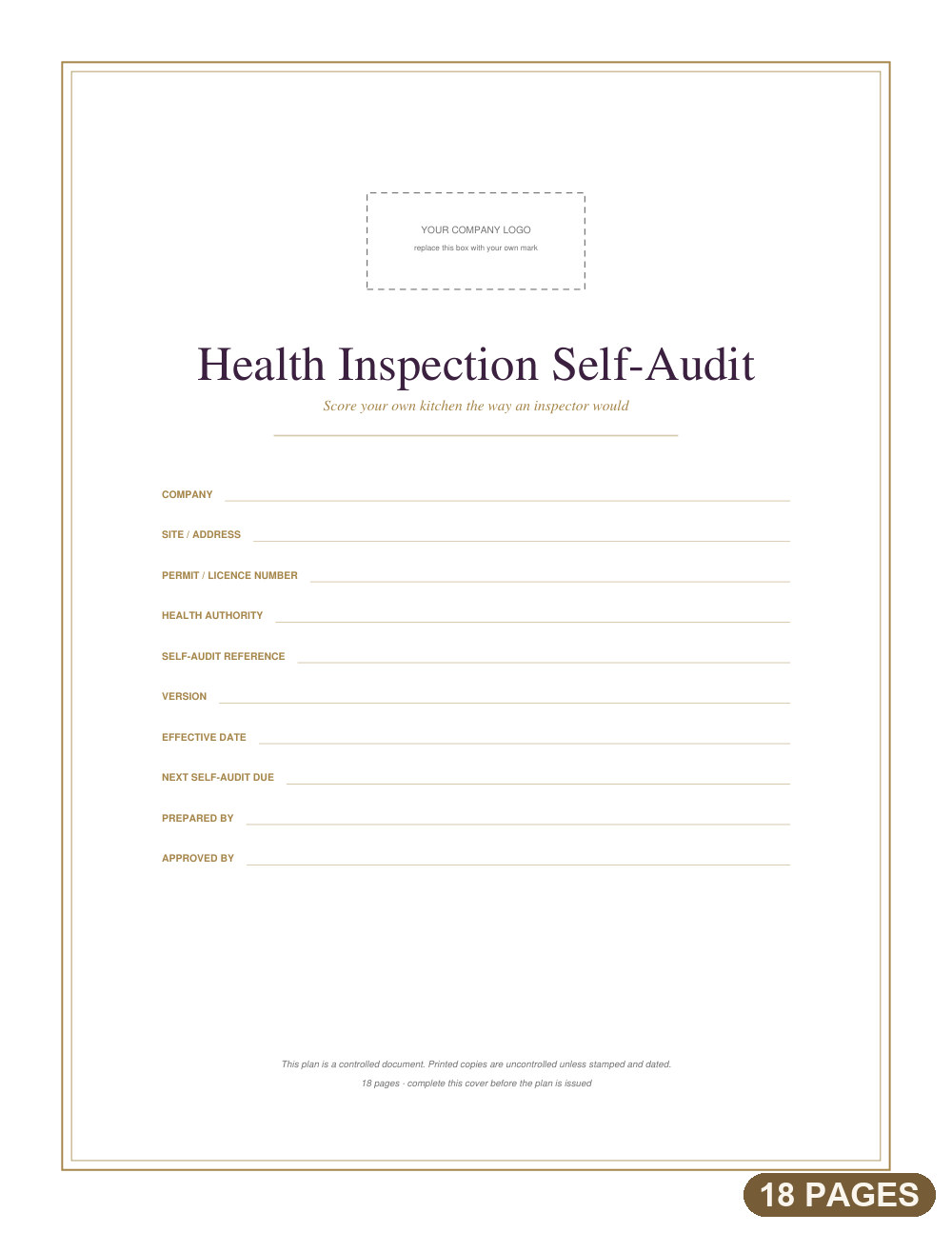 Health Inspection Self-Audit
Check your kitchen the way a public health inspector would.
See it in the shop →
Health Inspection Self-Audit
Check your kitchen the way a public health inspector would.
See it in the shop →
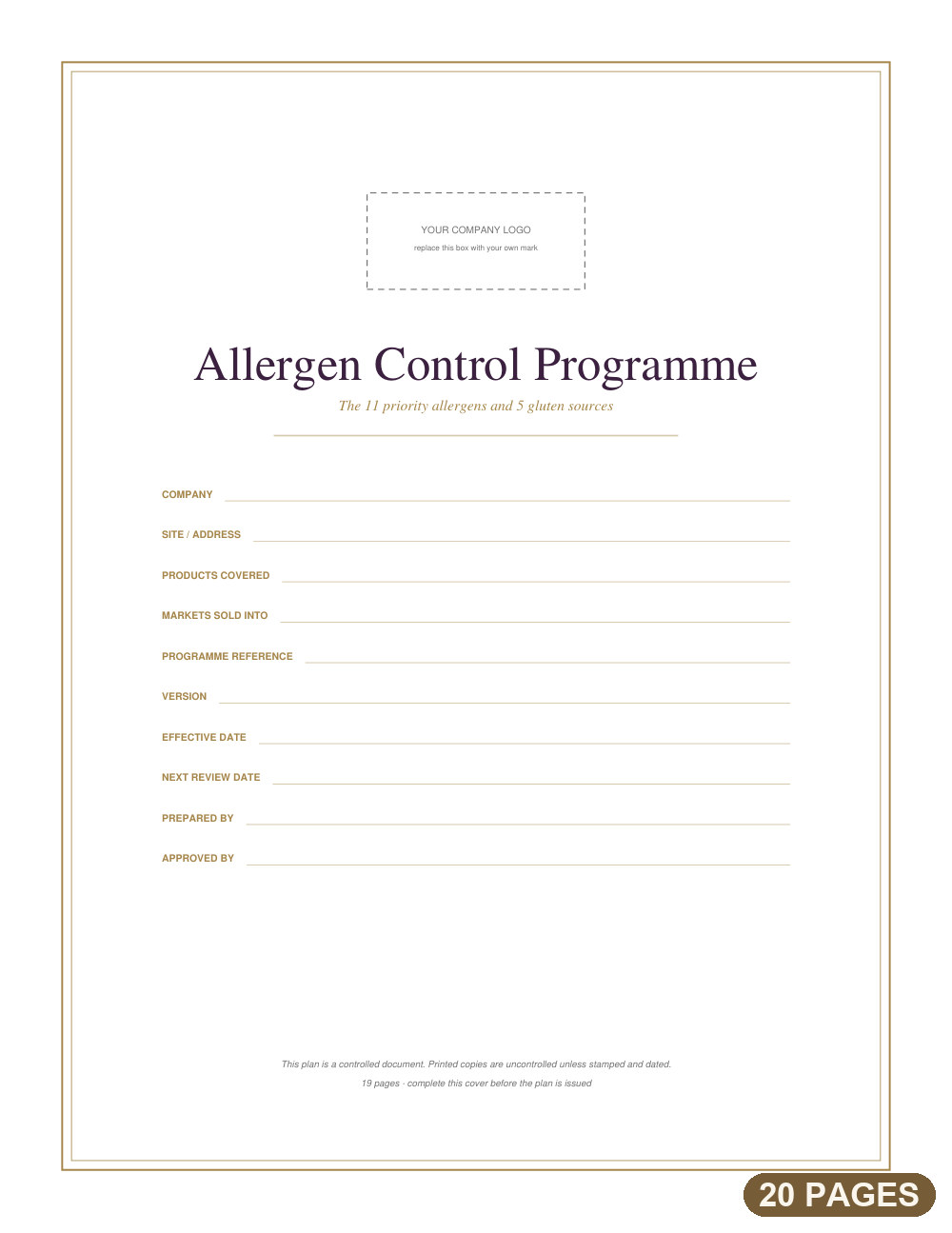 Allergen Control Matrix & Posters
Map allergens across your products so every “Contains:” line is right.
See it in the shop →
Allergen Control Matrix & Posters
Map allergens across your products so every “Contains:” line is right.
See it in the shop →
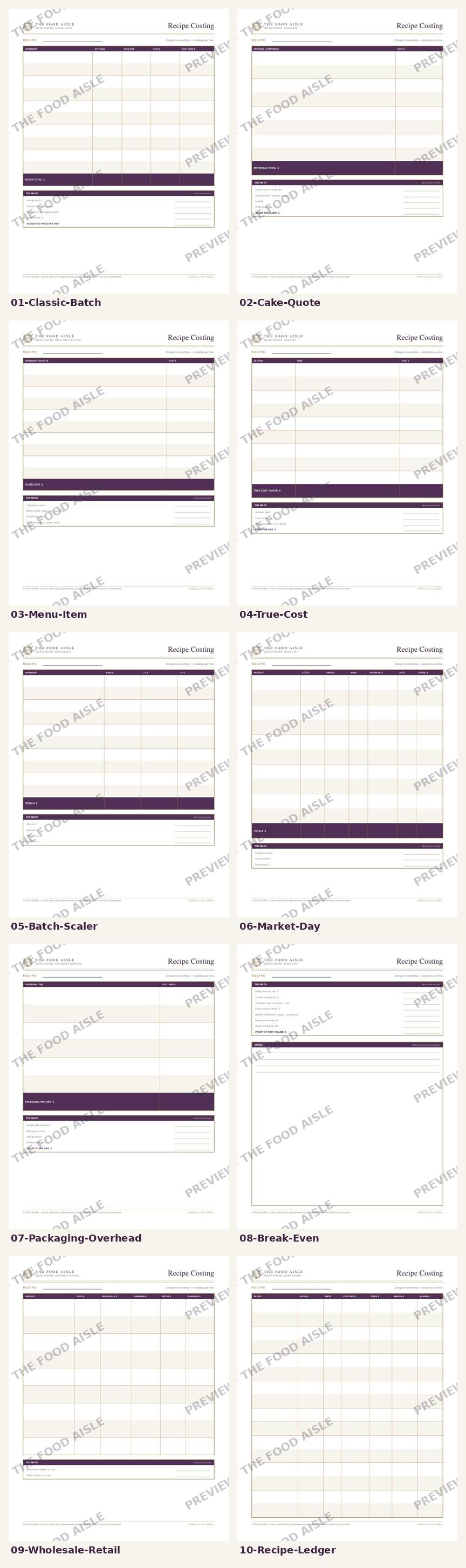 Recipe Costing & Pricing Calculator
Price each product so it covers ingredients, packaging and your time.
See it in the shop →
Recipe Costing & Pricing Calculator
Price each product so it covers ingredients, packaging and your time.
See it in the shop →
Official sources
Last reviewed October 1, 2026. This is a plain-language summary, not legal advice. Rules change, so confirm with your health authority and your city before you start selling.