BC doesn't have a U.S.-style cottage food law that lets anyone sell from home with minimal rules. Instead there are two paths: a lighter Temporary Food Market route for low-risk, shelf-stable foods sold at farmers' markets and fairs, and a full health permit for everything else — selling from home, online, to stores, or anything that needs the fridge.
How to sell homemade food in British Columbia
Markets only, unless you get a health permit
At a glance
- ✓ Farmers' markets & fairs Yes — low-risk foods, no permit needed
- ! Sell from your home Only with a health operating permit
- ! Online orders / delivery Only with a health operating permit
- ! Sell to stores & cafés Only with a health operating permit
- ! Kitchen inspection Only on the permit route
- ! Training FOODSAFE Level 1 recommended; required on the permit route
Which path are you on?
Answer two questions to see which rules apply to you.
What you can (and can't) make at home
Usually allowed (low risk)
- Baked goods that don't need refrigeration: cookies, breads, muffins, fruit pies, cakes without cream or custard
- Candy, fudge, toffee
- Jams, jellies, fruit butters
- Dried fruit and vegetables, dried herbs, granola, dry mixes
- Popcorn and snack mixes
- Roasted coffee, dry tea
- Vinegars, mustard, and pickles that meet pH rules
- Honey, syrup, and properly acidified relish or salsa
- Noodles
Not from a home kitchen
- Anything that must be refrigerated or frozen (cream pastries, cheesecake, quiche, meals with meat)
- Meat, poultry and fish products
- Dairy products
- Most canned goods that aren't clearly acidified jams or jellies
- Pet treats (regulated separately)
Step by step
-
1
Decide what you'll sell
Check your product against the low-risk list. Low-risk foods are very dry, very acidic, or otherwise don't grow dangerous bacteria at room temperature. Unsure? Call your health authority and describe your exact product and process.
-
2
Choose where you'll sell
Markets and fairs keep you on the lighter route. Selling from your door, taking online orders, or supplying cafés and stores puts you on the permit route under the Food Premises Regulation.
-
3
Take FOODSAFE
FOODSAFE Level 1 is BC's food handler course. Many markets expect it; on the permit route at least one person on site must have it, and Level 2 is often required for higher-risk foods. foodsafe.ca.
-
4
Register the business and check bylaws
Register a trade name with BC Registries if you're not trading under your own name, and get a municipal business licence. Check zoning for customer visits and signage — for example, Vancouver’s home-based business licence.
-
5
On the permit route? Apply to your health authority
Start with a pre-application chat, then submit an Application for Health Approval: business details, kitchen floor plan, product list with processes, a food safety plan and sanitation plan, and your FOODSAFE certificate. An Environmental Health Officer reviews it and may inspect before you open. Pay the fee and display the permit.
-
6
Label every package
Use the label checklist below. At markets, the “home kitchen not inspected” notice must be on a sign at your booth — many sellers add it to the label too.
-
7
Set up safe operations
Clean, organized kitchen; raw and ready-to-eat food kept apart; drinking-quality water; covered, labelled, dated storage; pest control; cold food at 4°C or colder and hot food at 60°C or hotter. Keep simple batch and sales records.
-
8
Insurance, taxes, then launch small
Product liability insurance is strongly recommended and many markets require it. Track income and expenses, and register for GST once you pass the $30,000 small-supplier threshold. Start with 1–3 products, test them, then grow.
Registration checklist for British Columbia
The registrations a home food business may need here, what they cost, and where to do them. New to these terms? See registrations explained.
-
Business structure & nameProvincialSelling under your own legal name? No provincial registration needed. Using a business name (e.g. “Jane's Jams”)? Request the name and register a sole proprietorship or partnership with BC Registries. Corporations incorporate through BC Registries.
-
Health / food safety approvalProvincialLow-risk foods sold only at temporary food markets: no permit, but follow the market guideline and show the “not inspected” sign. Home pickup, online, stores, or higher-risk foods: apply to your regional health authority for a health operating permit (floor plans, food safety plan, sanitation plan, FOODSAFE Level 1).
-
City business licence & zoningMunicipalGet a business licence from your city and check home-occupation zoning (customer visits, signage).
-
Business Number & GST/HSTFederal (CRA)Register with the CRA once taxable sales pass $30,000 over four consecutive calendar quarters, within 29 days of crossing. You can register sooner voluntarily. Basic groceries are zero-rated, but snacks, candy and single-serve baked goods are taxable.
-
Provincial sales taxProvincialBC PST is 7%, but food for human consumption is exempt (soda pop is taxed). Small sellers with $10,000 or less in taxable sales don't have to register. Most food-only sellers won't need a PST number; check if you also sell soda or non-food items like gift mugs.
-
Payroll & workplace insuranceFederal + provincialOpen a CRA payroll account, and register with WorkSafeBC: most employers must have workplace injury coverage.
Who needs what
One person selling jams and cookies at farmers' markets only
- Sole proprietorship; register the name only if it isn't your own
- No health permit (follow the market guideline)
- City business licence
- GST/HST only after $30,000 in sales
Selling baked goods from home, for pickup or delivery, or online
- Health operating permit and inspection from your health authority
- City licence and home-occupation zoning check
- Name registration if you use a business name
Two friends making sauces for local cafés
- Partnership or corporation, registered with BC Registries
- Health permit with food safety plan and inspection
- Business Number; GST/HST once over $30,000
What goes on your label
- Product name
- Ingredients, heaviest first
- Allergens (a “Contains:” line)
- Net quantity in metric (g / mL)
- Your name and city
- Best-before date
- Home-kitchen statement (required on a booth sign at markets)
Required text should be legible — about 1.6 mm (roughly 4.5 pt) or larger. Nutrition Facts tables usually aren't needed for small direct sales.
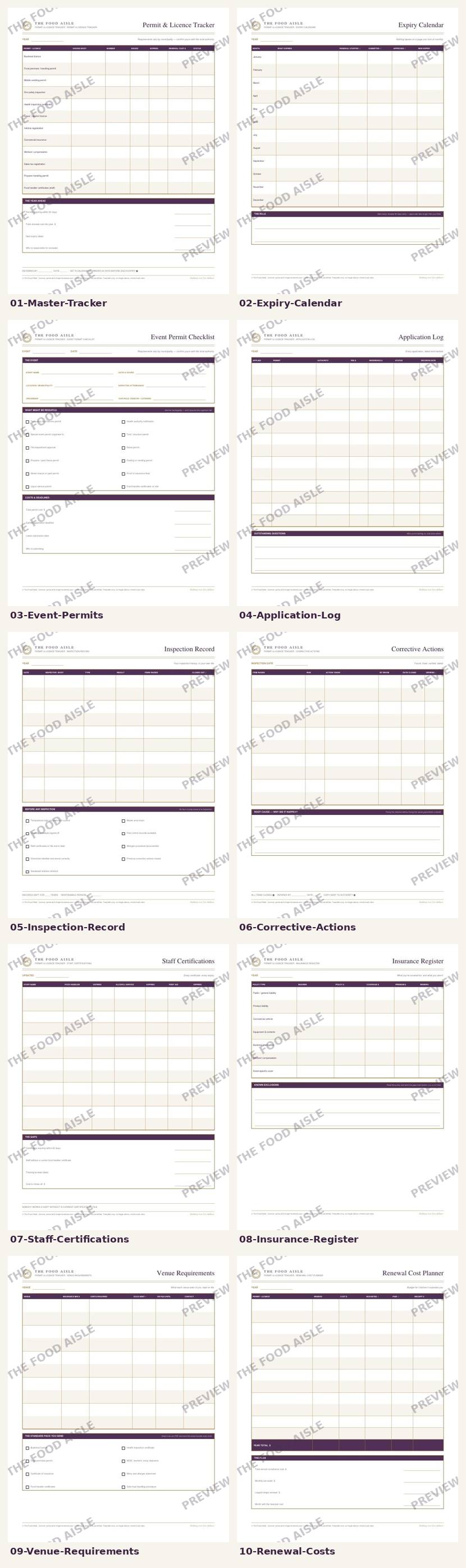
Get set up faster
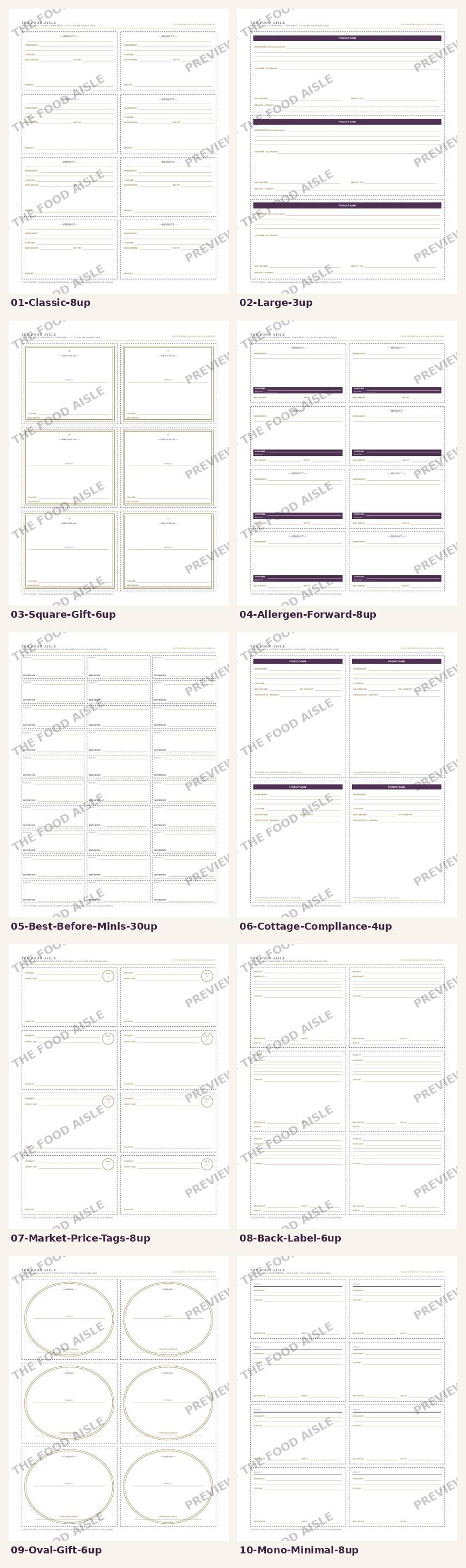
Product Label Templates
Ready-to-fill labels with room for ingredients, allergens and the home-kitchen statement.
See it in the shop →
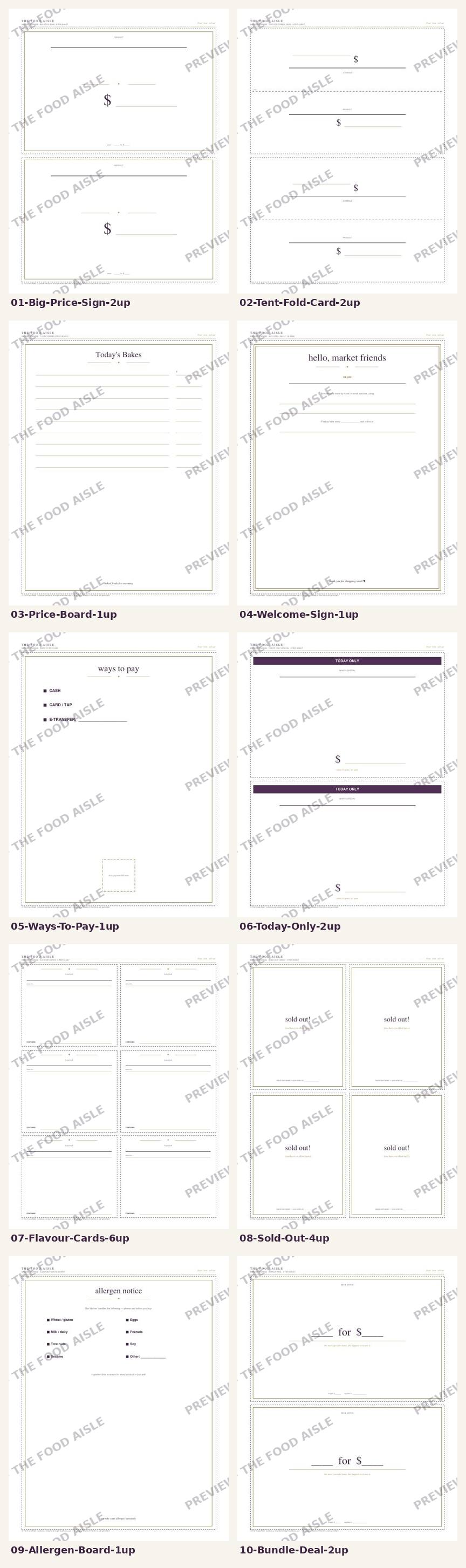
Farmers Market & Signage Cards
Booth signs, including space for the required “home kitchen not inspected” notice.
See it in the shop →
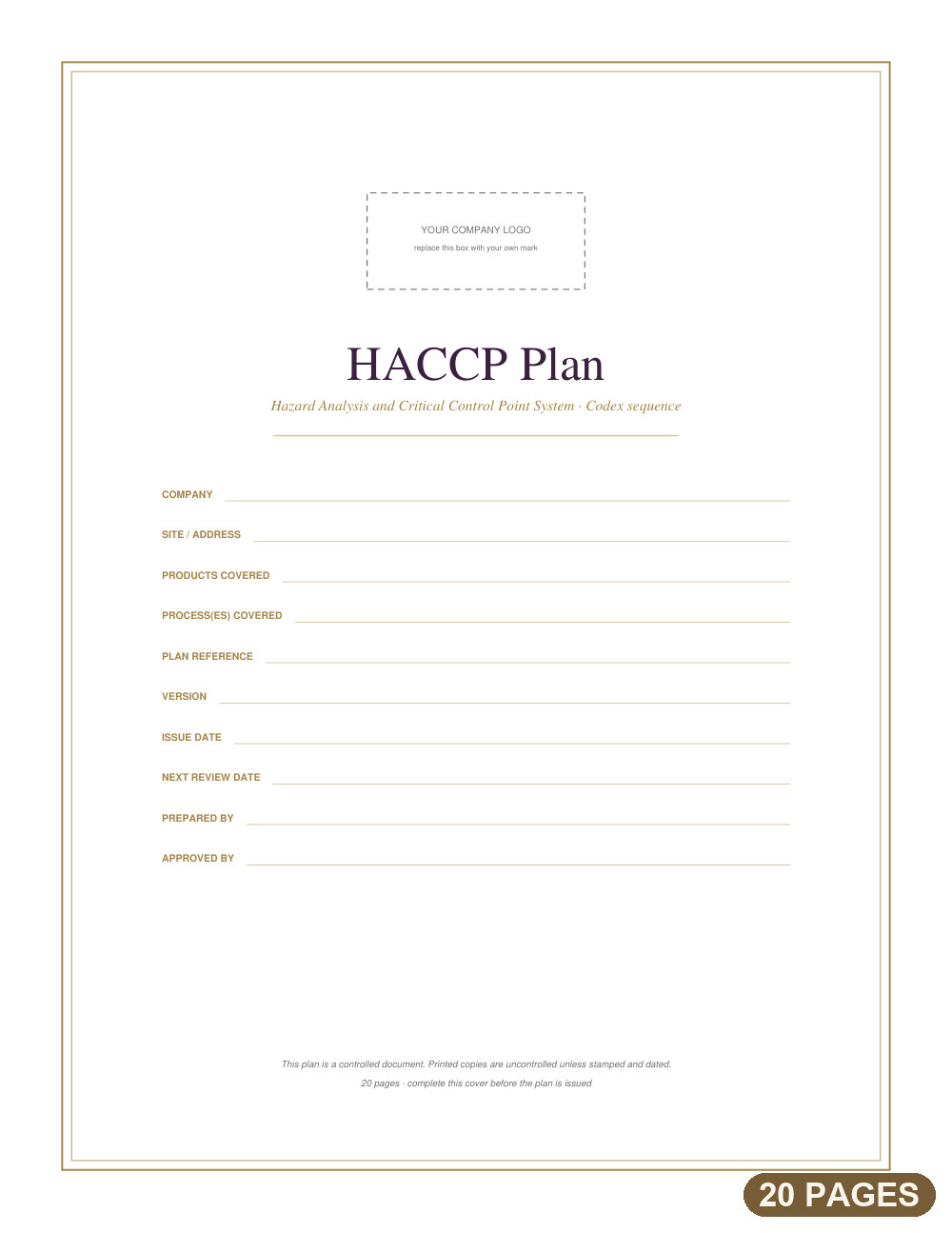
HACCP Plan Starter
A head start on the food safety plan your health authority asks for on the permit route.
See it in the shop →
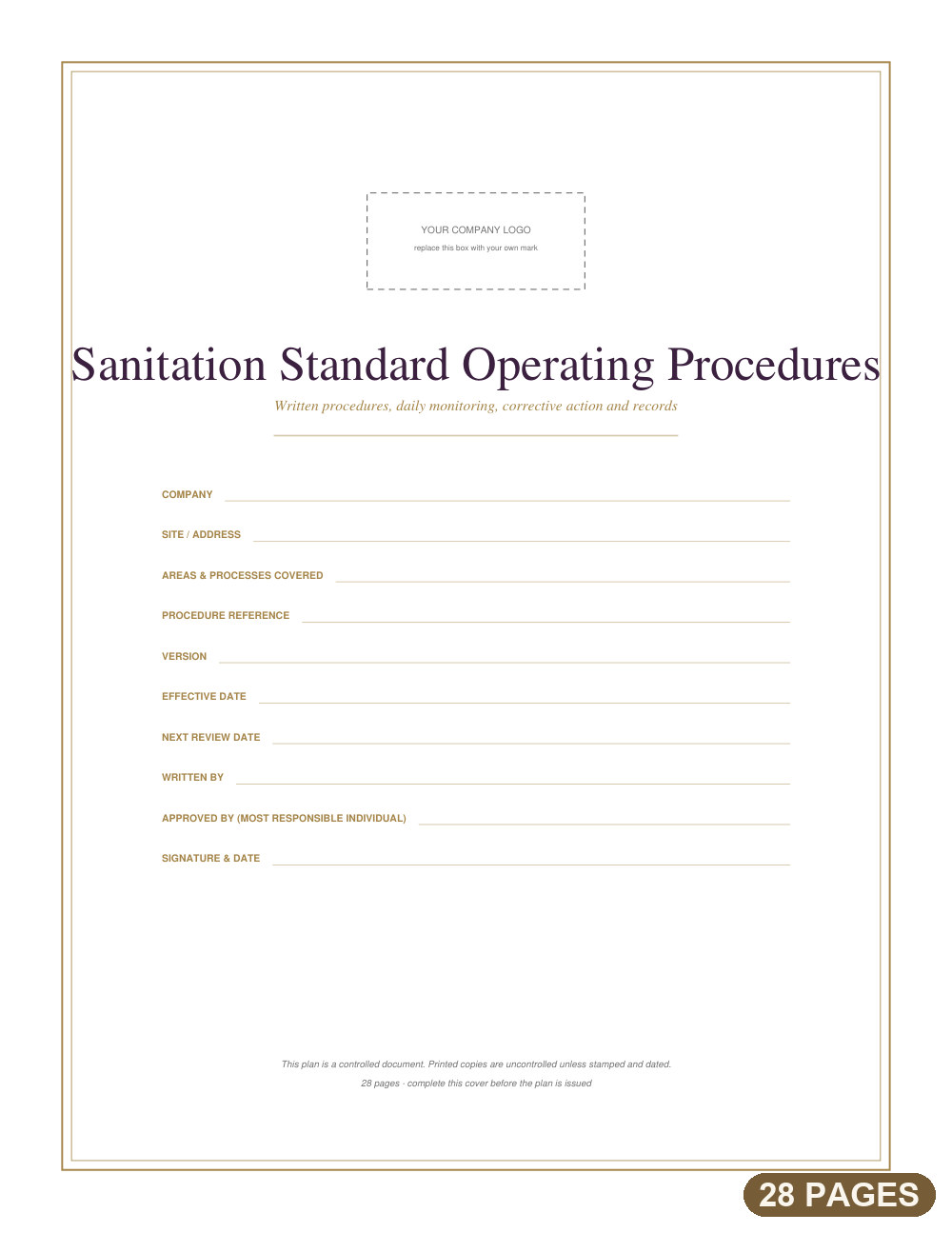
Sanitation SOP Templates
Sanitation procedures to build the sanitation plan for your permit application.
See it in the shop →
Official sources
Last reviewed October 1, 2026. This is a plain-language summary, not legal advice. Rules change, so confirm with your health authority and your city before you start selling.