Before you register anything, you choose a business structure: the legal shape of your business. It decides who owns it, who's on the hook if something goes wrong, how it's taxed, and how much paperwork you'll do every year. Here's every option in Canada, in plain language, with food-business examples.
Business basics · Canada
Sole proprietorship, partnership or corporation? Every business structure in Canada, explained
The short answer
- Most home food sellers start as a sole proprietorship. It's cheap, quick, and free if you sell under your own name.
- Starting with a friend? You're probably a partnership already, even without paperwork. Write an agreement.
- Incorporate when you want to protect personal assets, bring in investors, or earn more than you need to live on.
- A business name is not a structure. Registering “Jane's Jams” doesn't change who's liable; it's still you.
The options at a glance
SimplestMost formal
- Sole proprietorship Liability shieldNone Paperwork Set-up costFree to ~$105
- General partnership Liability shieldNone Paperwork Set-up costFree to ~$105
- Limited partnership Liability shieldPartial Paperwork Set-up costFrom ~$165
- Corporation Liability shieldStrong Paperwork Set-up cost$200–$380 + yearly filings
- Co-operative Liability shieldStrong Paperwork Set-up costVaries by province
Which structure fits you?
Follow the questions; each answer links to the full explanation below.
1Will you own and run the business on your own?
Yes, just me
Go to 2ASolo options
No, there are 2 or more owners
Go to 2BShared-ownership options
2ADo you need to protect your personal assets, raise money from investors, or keep profits in the business at a lower tax rate?
2BHow will the owners share the business?
Everyone works in it and shares everything
General partnership →Easy to start; every partner is personally liable.
Some owners only invest money
Limited partnership →Investors' risk is capped; at least one general partner manages.
Owners want limited liability
Corporation →Each owner holds shares; the corporation carries the risk.
Members use the business and vote equally
Co-operative →One member, one vote; profits shared among members.
Sole proprietorship
You are the business.
An unincorporated business owned by one person. Legally there's no difference between you and the business: you own all its assets and profits, and you're responsible for all its debts and obligations.
How it works
You make every decision and keep every dollar of profit. You can hire employees. Sell under your own name, or register a business name with your province.
Personal liability
Unlimited. If the business owes money or is sued, your personal savings, car and home can be used to pay.
Taxes
Business profit is added to your personal income and taxed at your personal rate. You report it on your T1 return using form T2125. Losses can reduce your other income.
Setting it up
Nothing, if you use your own legal name. With a business name: a name registration with your province (see the costs below).
Every year
Keep records, file your personal return, and renew your name registration when due (e.g. every 5 years in Ontario).
Advantages
- Cheapest and fastest to start
- You control everything and keep all profits
- Very little paperwork
- Business losses can offset your other income
Disadvantages
- Personal liability for all business debts
- All profit taxed at your personal rate, even what you leave in the business
- Harder to raise money
- The business ends when you stop
Food business example: Priya sells sourdough at the Saturday market as “Priya Patel”. No registration needed; she reports the income on her T2125 each spring.
General partnership
Two or more of you, sharing everything.
Two or more people (or companies) carrying on a business together to make a profit. A partnership can exist without any paperwork: if you share the work, decisions and profits, the law may treat you as partners (CRA guidance).
How it works
Partners share profits, losses and management, in the shares you agree on. Any partner can usually sign contracts that bind the whole partnership.
Personal liability
Unlimited and shared. Each partner can be personally liable for all partnership debts, including ones another partner created.
Taxes
The partnership itself doesn't pay income tax. Each partner reports their share of profit on their own return. Larger partnerships, or ones with a corporation as a partner, also file a T5013 information return.
Setting it up
Register the partnership name with your province if you don't trade under all partners' own names. Have a lawyer draw up a partnership agreement.
Every year
Personal returns for each partner, and name renewals.
Advantages
- Easy and cheap to set up
- Shared workload, skills and money
- Flexible to run
Disadvantages
- Every partner is personally liable, including for the others' mistakes
- Disagreements can stall or end the business
- Without an agreement, provincial default rules decide splits and exits
Food business example: Two friends bake and sell cupcakes together and split the money 50/50. Even without signing anything, they're likely a general partnership.
Limited partnership (LP)
Managers plus silent investors.
A partnership with at least one general partner, who runs the business and has unlimited liability, and one or more limited partners, who invest money but stay out of management.
How it works
The general partner makes the decisions. Limited partners share profits but can lose their liability protection if they take part in running the business.
Personal liability
General partners: unlimited. Limited partners: generally only what they invested.
Taxes
Same as a general partnership: income flows to the partners' own returns.
Setting it up
Must be registered with the province (in BC, $165). The general partner is often a corporation, to limit its risk.
Every year
Partnership filings and registry updates.
Advantages
- Lets you raise money from investors who don't want to run things
- Investors' risk is capped
Disadvantages
- More formal and costly to set up
- General partner still fully liable
- Rarely needed for a small food business
Food business example: A chef runs a new café as general partner; two relatives invest $20,000 each as limited partners and stay out of day-to-day decisions.
Limited liability partnership (LLP)
Mostly for professionals.
A partnership where each partner is generally not liable for the other partners' negligence, though they stay liable for their own.
How it works
Runs like a general partnership, with an “LLP” name and extra rules.
Personal liability
Shielded from other partners' professional mistakes; still liable for your own.
Taxes
Same as a general partnership.
Setting it up
Rules differ by province. Ontario allows LLPs only for regulated professions such as lawyers and accountants; BC allows any business to register one ($275 in BC).
Every year
Registry filings.
Advantages
- Protects you from a partner's negligence
Disadvantages
- Not available to food businesses in many provinces
- More cost and formality
Food business example: Your accountant's firm may be an LLP. A home bakery almost never is.
Corporation
A separate legal person.
A legal entity separate from its owners. In the CRA's words, it “can enter into contracts and own property in its own name, separately and distinctly from its owners.” Owners hold shares; directors oversee it; officers run it day to day. One person can be all three.
How it works
The corporation owns the business, signs contracts and holds the bank account. You get paid through salary or dividends.
Personal liability
Limited: shareholders generally aren't responsible for corporate debts. Two big catches: banks and landlords often ask for a personal guarantee, and directors can be personally liable for unpaid payroll deductions, EI, CPP and some taxes.
Taxes
The corporation files its own T2 return within six months of its year-end, even if it owes no tax. A Canadian-controlled private corporation (CCPC) can claim the small business deduction: a 9% federal rate on the first $500,000 of active business income, plus a provincial rate (CRA corporation tax rates). You pay personal tax on what you take out.
Setting it up
Incorporate provincially (e.g. $350 + $30 name in BC, $300 in Ontario) or federally through Corporations Canada ($200 online). A federal corporation can use its name right across Canada, but must still register in each province where it does business (Corporations Canada).
Every year
Annual return with the registry, T2 tax return, financial statements, minute book and corporate records, and usually an accountant.
Advantages
- Limited liability (with the catches above)
- Lower tax on profit left in the business
- Easier to raise money and bring in owners
- Name protected; the business continues if owners change
Disadvantages
- Costs more to set up and run
- Yearly filings and records even in a quiet year
- Losses stay in the corporation, not on your personal return
- Directors' personal liability for payroll remittances
Food business example: A granola brand selling to 40 grocery stores incorporates so the business, not the founder, carries the supplier contracts and product-liability risk.
Co-operative
Owned and controlled by its members.
A business owned by the people who use it (customers, workers or producers) and run democratically: one member, one vote, however many shares someone holds (Co-operatives in Canada).
How it works
Members elect a board. Surplus is shared among members, often in proportion to how much they use the co-op.
Personal liability
Limited for members.
Taxes
Generally taxed as a corporation, with special rules for patronage dividends paid to members.
Setting it up
Incorporated under provincial or federal co-operative legislation.
Every year
Board meetings, member meetings and annual filings.
Advantages
- Limited liability
- Democratic control
- Pools buying power (e.g. shared kitchen, bulk ingredients)
Disadvantages
- Slower decisions
- Needs active members
- Conflict between members to resolve
Food business example: Twelve home bakers form a co-op to lease a shared commercial kitchen and buy flour in bulk.
Side by side
| Structure | Owners | Personal liability | How profit is taxed | Set-up | Yearly paperwork |
|---|---|---|---|---|---|
| Sole proprietorship | 1 | Unlimited | Your personal return (T2125) | Free–low | Light |
| General partnership | 2+ | Unlimited, shared | Each partner's return | Free–low | Light |
| Limited partnership | 1+ general, 1+ limited | General: unlimited · Limited: capped | Each partner's return | Moderate | Moderate |
| LLP | 2+ | Shielded from partners' negligence | Each partner's return | Moderate | Moderate |
| Corporation | 1+ shareholders | Limited (watch guarantees) | Corporate T2; you pay tax on pay or dividends | $200–$380 | Heavy |
| Co-operative | Members | Limited | Corporate rules + patronage dividends | Varies | Heavy |
Other terms you'll hear
Trade name / “doing business as”
Not a structure, just a registered name. A sole proprietor or corporation can trade under one. It gives no liability protection.
Federal vs provincial corporation
Same structure, different registry. Federal ($200 online) gives Canada-wide name rights; provincial is simpler if you'll only ever operate in one province.
Professional corporation
A corporation for regulated professionals (doctors, lawyers, accountants). Not for food businesses.
Unlimited liability company (ULC)
Available in Alberta, BC and Nova Scotia; shareholders can be liable for its debts. Used mainly for cross-border tax planning, not small food businesses.
Not-for-profit corporation & charity
For community or charitable purposes; profits can't go to members. Think community kitchens or food banks, not a business you own.
Joint venture
A contract between businesses for one project (e.g. two bakeries co-hosting a holiday pop-up). It isn't a separate entity; each business keeps its own structure.
What it costs to register, by province
| Where | Sole proprietorship / partnership name | Incorporation |
|---|---|---|
| British Columbia | Free under own name · $30 name + $40 registration | $350 + $30 name |
| Alberta | Free under own name · registry agent: government fee + agent fee | Through a registry agent |
| Saskatchewan | Free under own name · $50 reservation + $65 registration | $255 |
| Manitoba | Free under own surname · $45 reservation + $60 registration | $350 |
| Ontario | Free under own full name · $60 (valid 5 years) | $300 online |
| Federal (Corporations Canada) | — | $200 online |
Full checklists with every registration you may need: province registration checklists.
Can I change structure later?
You don't have to get it right forever on day one. Most food businesses start as a sole proprietorship and incorporate later, when sales, staff, contracts or risk grow. An accountant can usually move your business assets into a new corporation without triggering immediate tax. Changing structure also means new registrations (a new Business Number program account, GST/HST and payroll accounts), so plan the switch.
Glossary
- Annual return
- A yearly filing that confirms a corporation's details with the registry.
- Articles of incorporation
- The document that creates a corporation.
- Business Number (BN)
- Your 9-digit CRA identifier for tax accounts like GST/HST and payroll.
- CCPC
- Canadian-controlled private corporation; eligible for the small business deduction.
- Director
- A person elected to oversee a corporation; can be personally liable for unpaid payroll deductions.
- Dividend
- Profit a corporation pays out to shareholders.
- Extra-provincial registration
- Registering a corporation from elsewhere so it can do business in your province.
- General / limited partner
- In an LP, the general partner manages with unlimited liability; limited partners invest with capped liability.
- Limited liability
- Owners can lose what they invested, but generally not their personal assets.
- Personal guarantee
- Your personal promise to repay a business loan or lease, which removes the corporate shield for that debt.
- Shareholder
- An owner of a corporation.
- Small business deduction
- A lower corporate tax rate (9% federal) on a CCPC's first $500,000 of active business income.
- T1 / T2125
- Your personal tax return / the form where sole proprietors and partners report business income.
- T2
- The corporation income tax return, due six months after year-end.
- T5013
- A partnership information return, required for larger partnerships or ones with corporate partners.
- Trade name
- A registered business name. Not a separate legal entity.
Tools for Canadian food sellers
Get set up faster
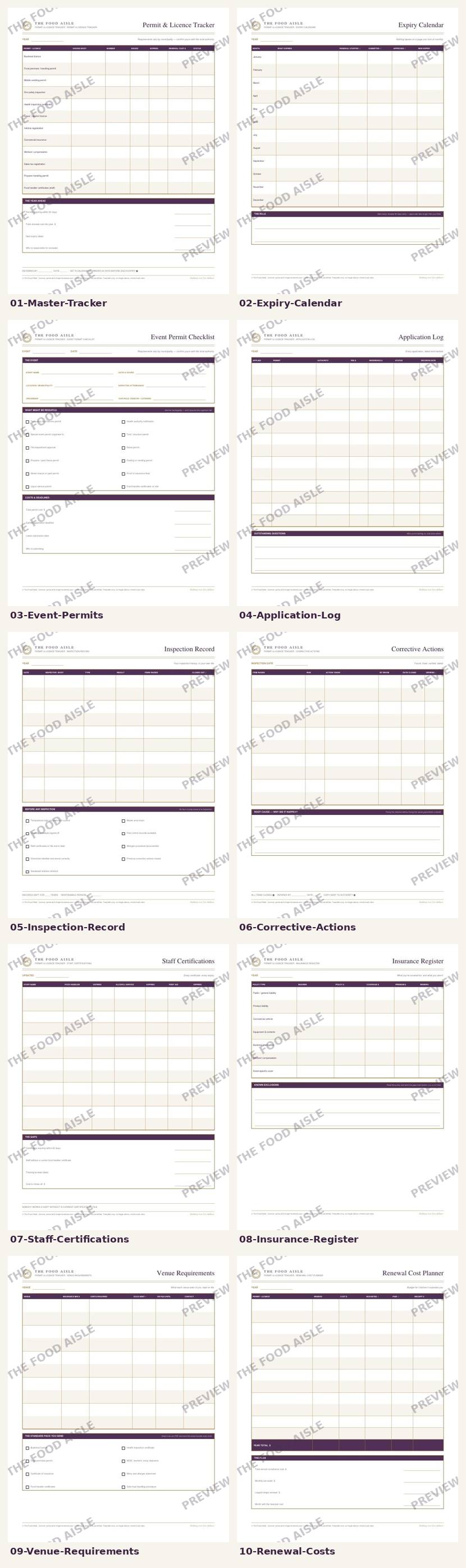
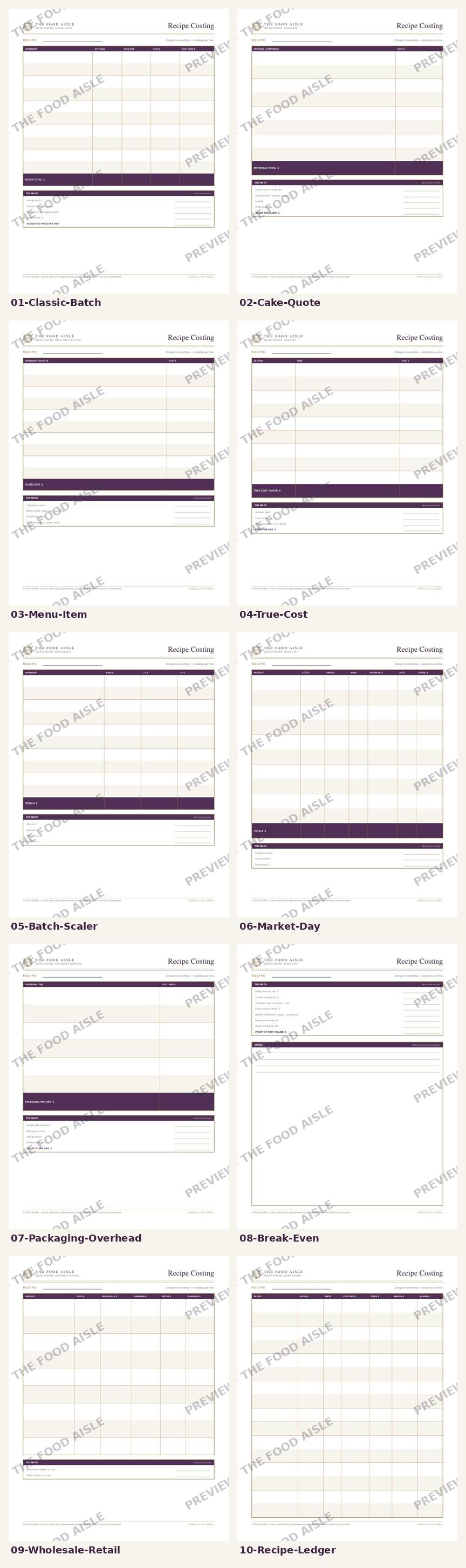
Official sources
- CRA: sole proprietorship
- CRA: corporation
- CRA: determining the existence of a partnership
- CRA: form T2125
- CRA: corporation tax rates
- Corporations Canada: benefits of incorporating
- Corporations Canada: services, fees and processing times
- Co-operatives in Canada: how they work
- FedDev Ontario: business structure, which one is right for you?
- BC: sole proprietorships & partnerships (fees)
- Ontario: registering your business name
Last reviewed October 1, 2026. General information, not legal or tax advice. Talk to an accountant or lawyer before choosing or changing your structure.