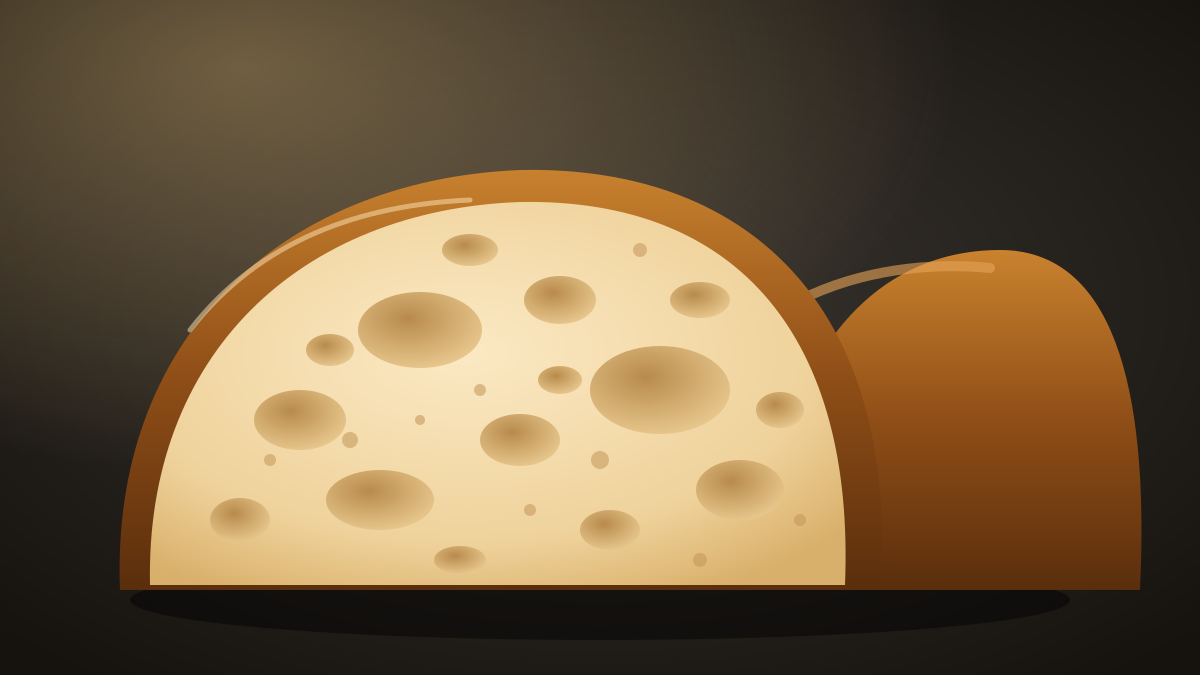
What if we told you that the loaf sitting on your kitchen counter is the result of millions of microscopic events?
You see a golden crust, a soft interior and tiny holes scattered throughout the slice.
But beneath that familiar appearance is a remarkable transformation involving microorganisms, proteins, starch molecules, gases and heat.
Bread isn't simply flour mixed with water and baked. It is a biochemical masterpiece.
Let's explore what happens behind the scenes.
01The invisible architects: yeast
Before bread becomes bread, something extraordinary happens.
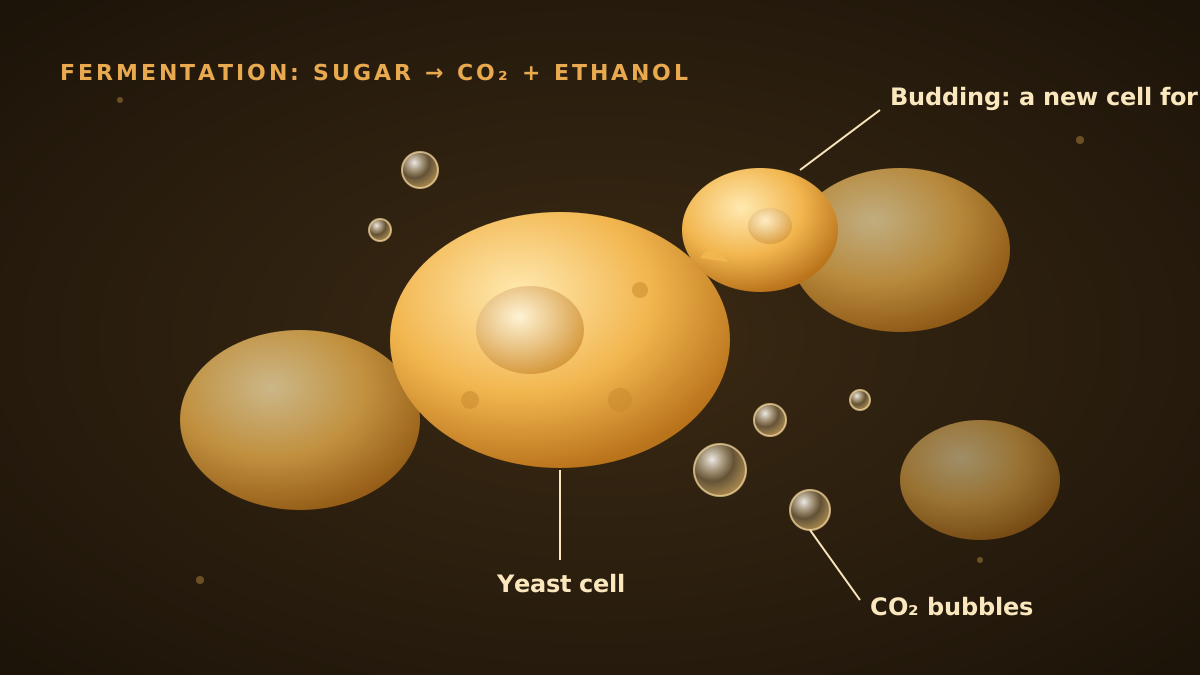
Yeast, a living microorganism, begins consuming available sugars in the dough.
During fermentation, yeast produces two important by-products:
- Carbon dioxide
- Ethanol (alcohol)
The carbon dioxide becomes trapped inside the stretchy dough, creating tiny gas bubbles.
These bubbles expand, gradually giving bread its volume and characteristic structure.
02Why does dough stretch instead of breaking?
Meet gluten: the structural framework of bread.
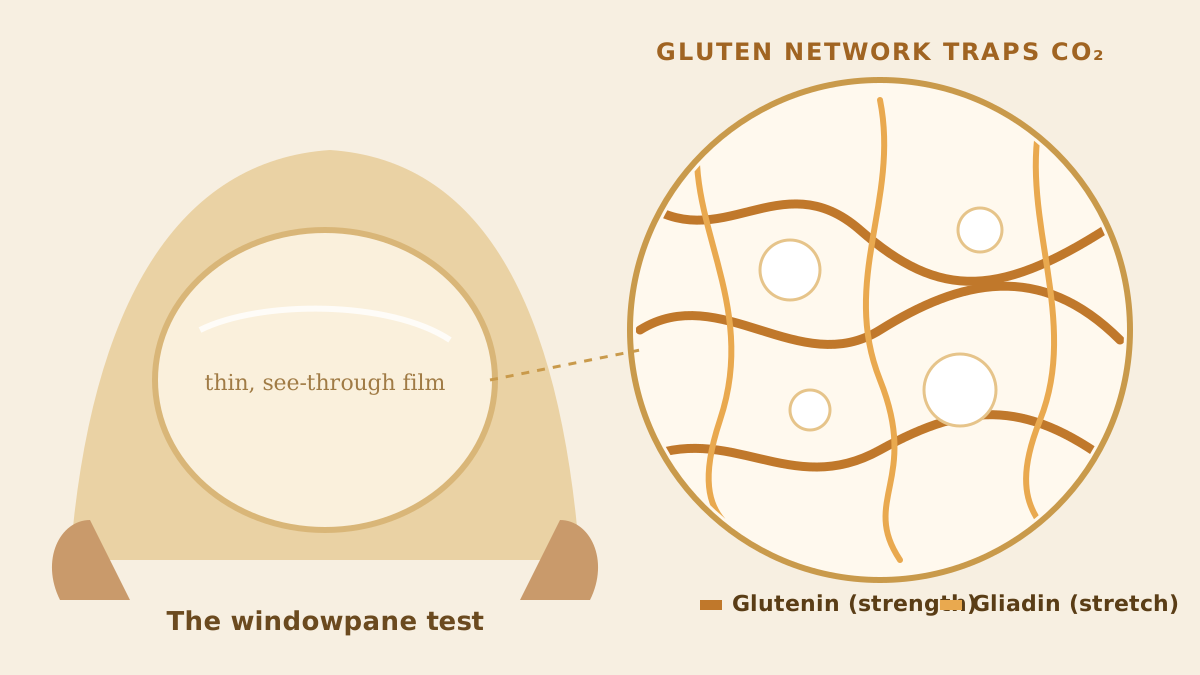
Wheat flour contains two important proteins:
- Glutenin
- Gliadin
When flour meets water and the dough is mixed, these proteins interact to form a gluten network.
Think of it as an elastic web holding the dough together.
This network performs two important jobs:
- It gives dough elasticity and strength.
- It helps retain the carbon dioxide produced during fermentation.
Try stretching properly developed dough until it becomes thin and translucent.
Bakers call this the windowpane test.
That thin membrane is a visual demonstration of gluten development.
03The golden crust: a chemical transformation
Why isn't bread pale and white after baking?
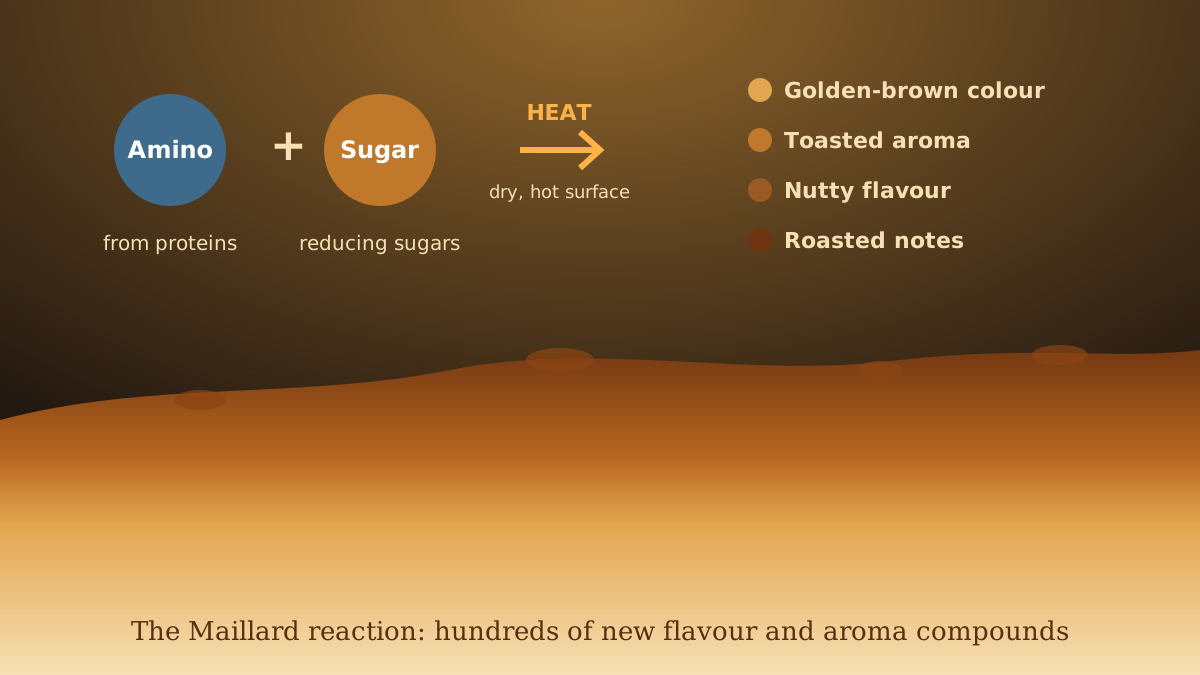
The answer is a fascinating chemical reaction called the Maillard reaction.
When the bread surface gets hot enough and loses moisture, reducing sugars react with amino compounds, including those from proteins.
This produces hundreds of new flavour and aroma compounds.
It contributes to:
- Golden-brown colour
- Toasted aroma
- Nutty flavour
- Complex roasted notes
And here's something interesting:
The Maillard reaction isn't exclusive to bread. It also contributes to the delicious brown surfaces of roasted coffee, seared foods and baked potatoes.
04The mystery of stale bread
You buy a beautiful loaf in the morning.
By the next day, it feels firm, dry and less enjoyable.
But here's the surprising truth:
Stale bread doesn't necessarily mean dry bread.
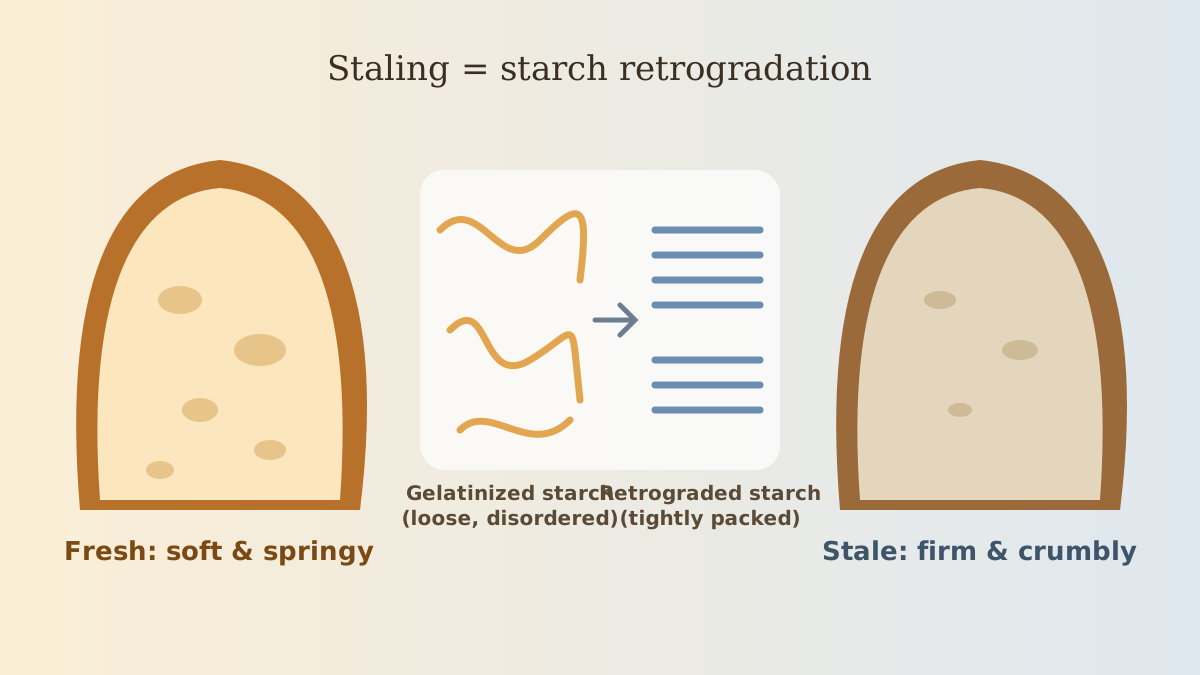
One of the main reasons bread becomes stale is a process called starch retrogradation.
During baking, starch granules absorb water and gelatinize.
As bread cools and sits over time, some starch molecules reorganize into more ordered structures.
This changes the texture, making the bread firmer.
It can happen even when bread is stored in a sealed bag.
05Why freezing bread can preserve its softness
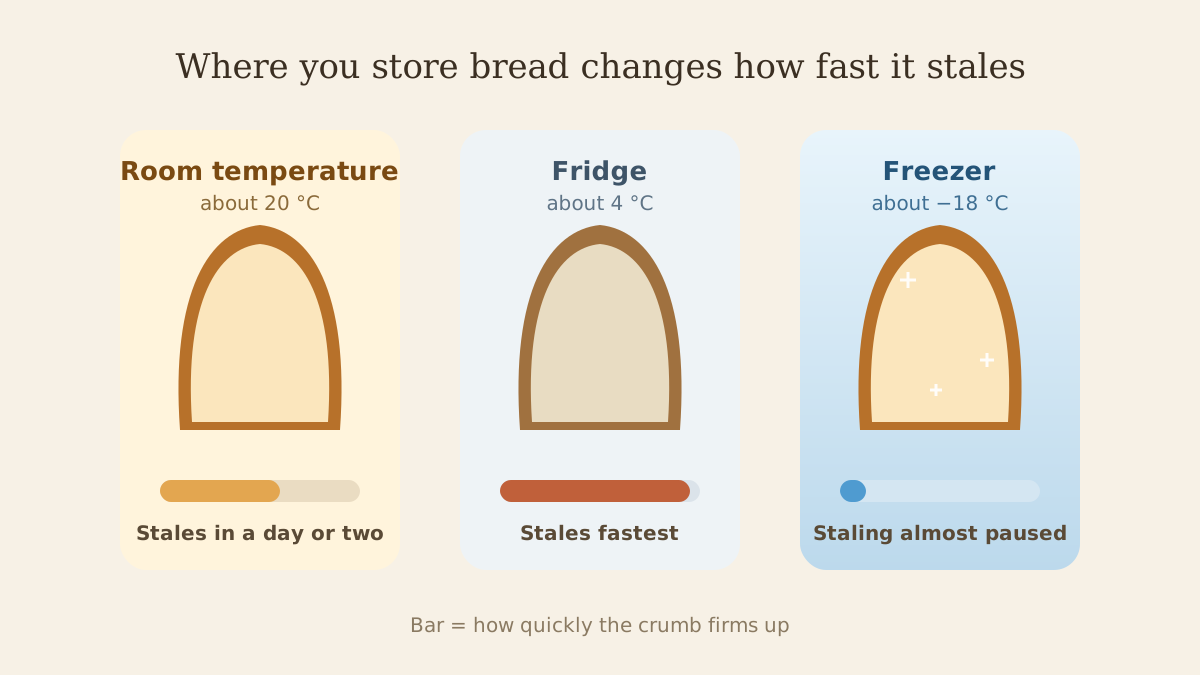
Freezing doesn't magically reverse every change in bread.
But it can significantly slow down starch retrogradation.
Lower temperatures slow the molecular rearrangement responsible for staling.
That's why freezing bread is generally a better way to preserve its quality than leaving it in the refrigerator.
06The microscopic world inside a loaf
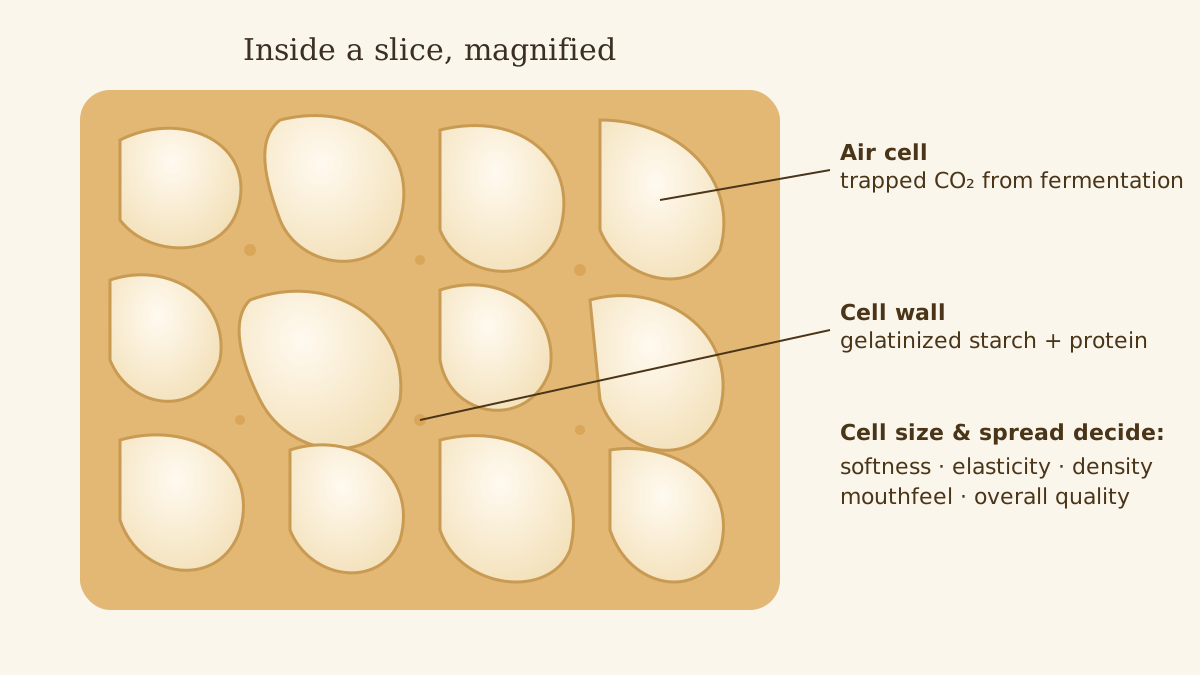
Imagine zooming into a slice of bread thousands of times.
You wouldn't see a uniform solid structure.
You would see a complex network of air cells surrounded by a matrix of gelatinized starch and proteins.
The size and distribution of these cells influence:
- Softness
- Elasticity
- Density
- Mouthfeel
- Overall bread quality
This is why two loaves made with similar ingredients can have completely different textures.
Bread isn't simply baked flour.
It's an engineered food structure created through biology and chemistry.
07One final thought
The next time you pick up a slice of bread, remember what you're actually holding.
- A product of living microorganisms.
- A network of interacting proteins.
- A structure transformed by heat.
- A collection of chemical reactions that create colour, aroma and flavour.
Something so ordinary that we barely think about it.
And something so scientifically extraordinary that we could spend hours studying it.
That's the science of food.